List

Category
Audience
Tags

What Your Body Knows about Happiness

Janice Kaplan

Happiness isn't just a state of mind. It's also a state of body.

Standing straight can give you a shot of confidence and forcing a smile might improve your mood. But do you know why? We generally believe that the brain is the big computer telling our bodies how to respond, but new research shows that the system often works in reverse. Your body reacts first, and your brain then interprets the physical signals. As you walk by a dark alley, your heart starts pounding and only then does your brain get the message: I'm scared! The body can also send messages about positive emotions, allowing you to experience more happiness, love, and joy.

Based on groundbreaking research and expert opinions, What Your Body Knows About Happiness will teach you:

  • How to use your body to spark your creativity
  • How to find joy through your senses
  • How changing your environment can improve your mood
  • The unexpected powers of diet, exercise, and sex
  • The ways your brain can resolve bodily pain
  • How to create optimism through your body

In What Your Body Knows About Happiness, Janice Kaplan, the New York Times bestselling author of The Gratitude Diaries, explores the startling new evidence showing that our feeling bodies are often smarter than our thinking minds. Talking to experts in a wide range of fields, she brings her distinctive brand of conversation, humor, and storytelling to scientific research, drawing unexpected links that reveal the power of body-mind connections. You'll also get tips and strategies for knowing your body in a whole new way--leading to greater happiness and pleasure every day.
View Details >>

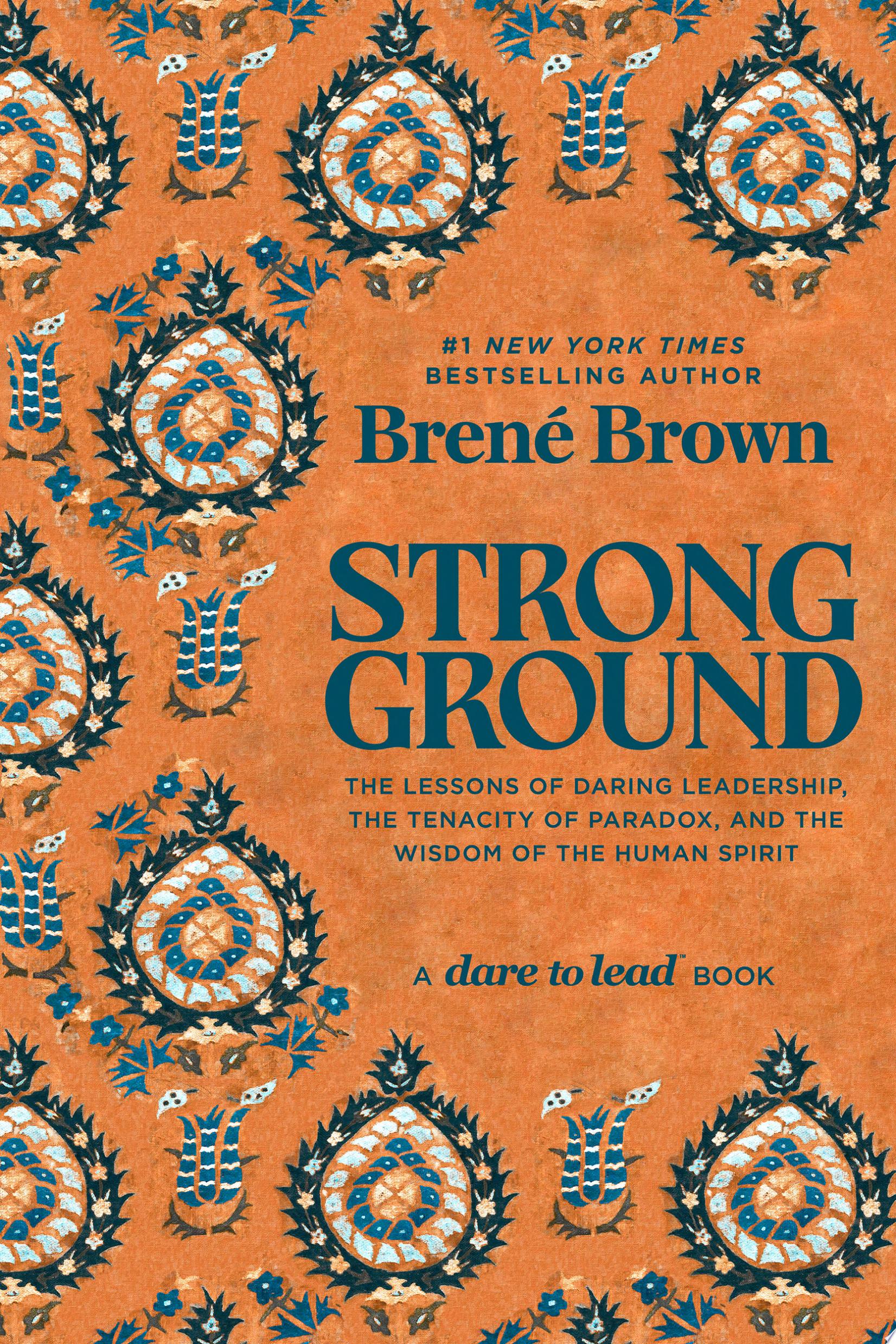
Strong Ground

Brené Brown

NEW YORK TIMES BESTSELLER • Brené Brown returns with an urgent call to reimagine the essentials of courageous leadership. In a time when uncertainty runs deep and bluster, hubris, and even cruelty are increasingly framed as acceptable leadership, Brown delivers practical, actionable insights that illuminate the mindsets and skill sets essential to reclaiming focus and driving growth through connection, discipline, and accountability.

Over the past six years, Brené Brown, along with a global community of coaches and facilitators, has taken more than 150,000 leaders in 45 countries through her Dare to Lead courage-building work. In Strong Ground, Brown shares the lessons from these experiences along with wisdom from other thinkers. This is a vital playbook for everyone from senior leaders developing and executing complex strategies to Gen Z-ers entering and navigating turbulent work environments. It is also an unflinching assessment of what happens when we continue to perpetuate the falsehood that performance and wholeheartedness are mutually exclusive. 

With equal amounts of optimism and caution about AI, Brown writes, “I hear a lot of experts trying to soothe people’s anxiety about the pace of technological change by offering platitudes like, What makes us human will ensure our relevance. This is dangerous simply because, right now, we’re not especially good at what makes us human. We’re not hardwired for this level of uncertainty, and many of us feel as if the constant need to self-protect is driving the humanity right out of us. This is why organizational transformation today must foster deep connection, deep thinking, and deep collaboration. We need the courage to lead people in a way that honors and protects the wisdom of the human spirit.”

Brown offers a broad assessment of the skill sets and mindsets we need moving forward, including the capacity for respectful and difficult conversations, increased productive urgency and smart prioritization rather than reactivity, and strategic risk-taking, paradoxical thinking, and situational and anticipatory awareness skills. She identifies the toughest skill set as the discipline, humility, and confidence to unlearn and relearn. 

Brown writes, “Individuals and organizations are building new muscles. Finding our strong ground—that athletic stance—is the only thing that can provide both unwavering stability in a maelstrom of uncertainty and a platform for the fast, explosive change that the world is demanding.”

View Details >>

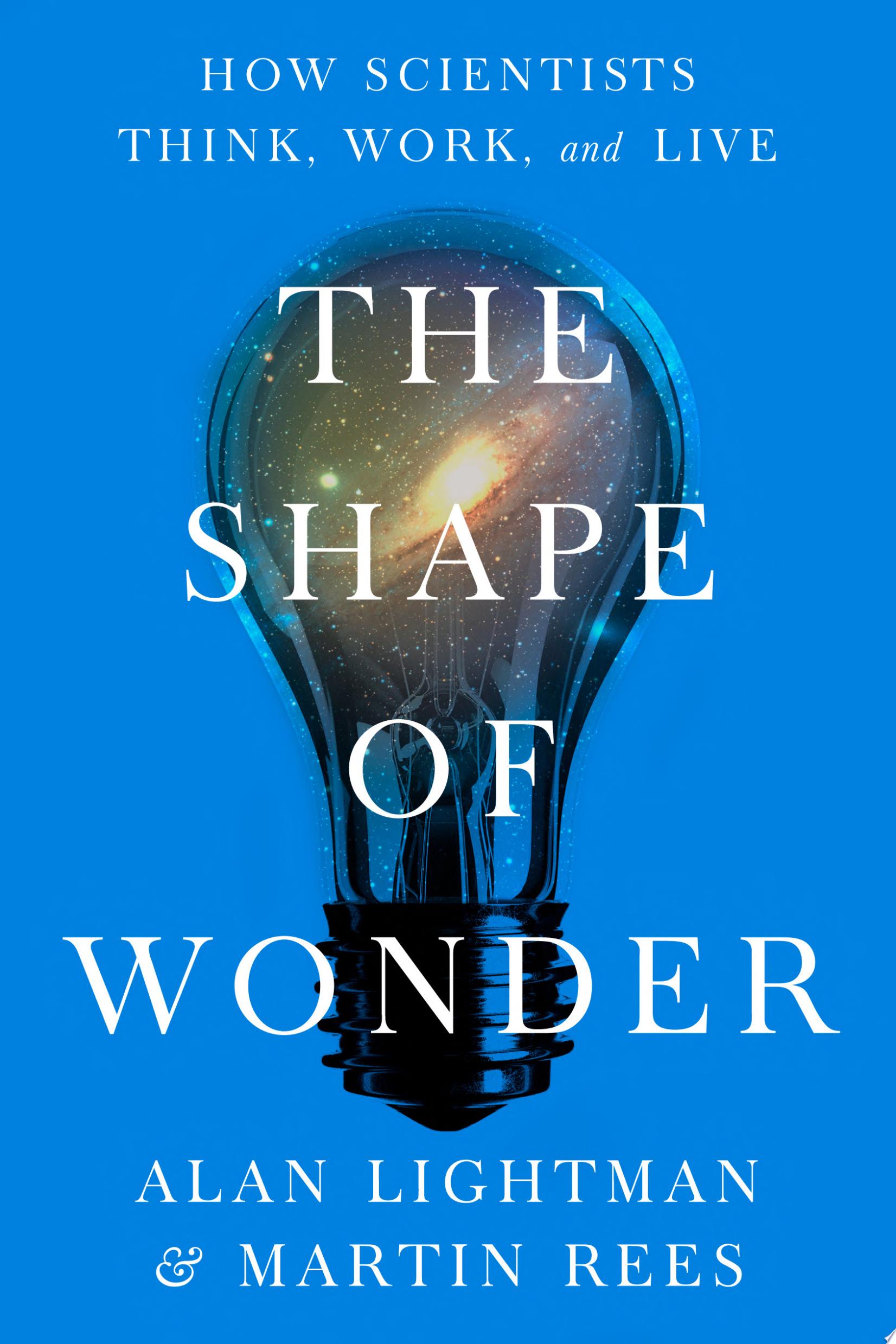
The Shape of Wonder

Alan Lightman

In this captivating, insightful book, acclaimed physicists Alan Lightman and Martin Rees illuminate the life and work of numerous scientists in order to demystify the scientific process and show that scientists are concerned citizens, just like the rest of us.

“Remarkable. . . . Illuminating with refreshing clarity the ordinary and sometimes extraordinary work of scientists. This book is essential reading." —Jennifer Ackerman, bestselling author of What an Owl Knows

In an age of rapid scientific discovery and technological advancement, it’s understandable that many feel uneasy about the future. While we might have confidence in these new developments when we go to the hospital for a medical procedure, fly in an airplane, or take an elevator to the top floor of a building, the motivations and lives of scientists themselves feel shrouded from public view. There is a growing sense that scientists are not to be trusted—that they may be guided by political or financial interests, or beholden to governments, or state institutions.

This growing mistrust of scientists is an urgent problem. With the onset of climate change, the imminent threats of pandemic or nuclear war, and rapid acceleration in the fields of artificial intelligence and DNA sequencing, innovations in science have the potential to change the world. It’s crucial that we not only gain a better understanding of science as a field, but also reestablish trust with its practitioners.

The Shape of Wonder guides us through the fascinating lives and minds of scientists around the world and throughout time, from a young theoretical physicist who works as a research assistant professor at the University of Washington and rock climbs in their free time; to German physicist Werner Heisenberg in his early life, when he was a student of music and philosophy; to Govind Swarup, an Indian astronomer whose work on radio telescopes was profoundly important. We get an inside peek at what makes scientists tick—their daily lives, passions, and concerns about the societies they live in.

In this brilliant and elucidative work, Lightman and Rees pull back the curtain on the field of science, revealing that scientists are driven by the same sense of curiosity, wonder, and responsibility towards the future that shapes us all.

View Details >>

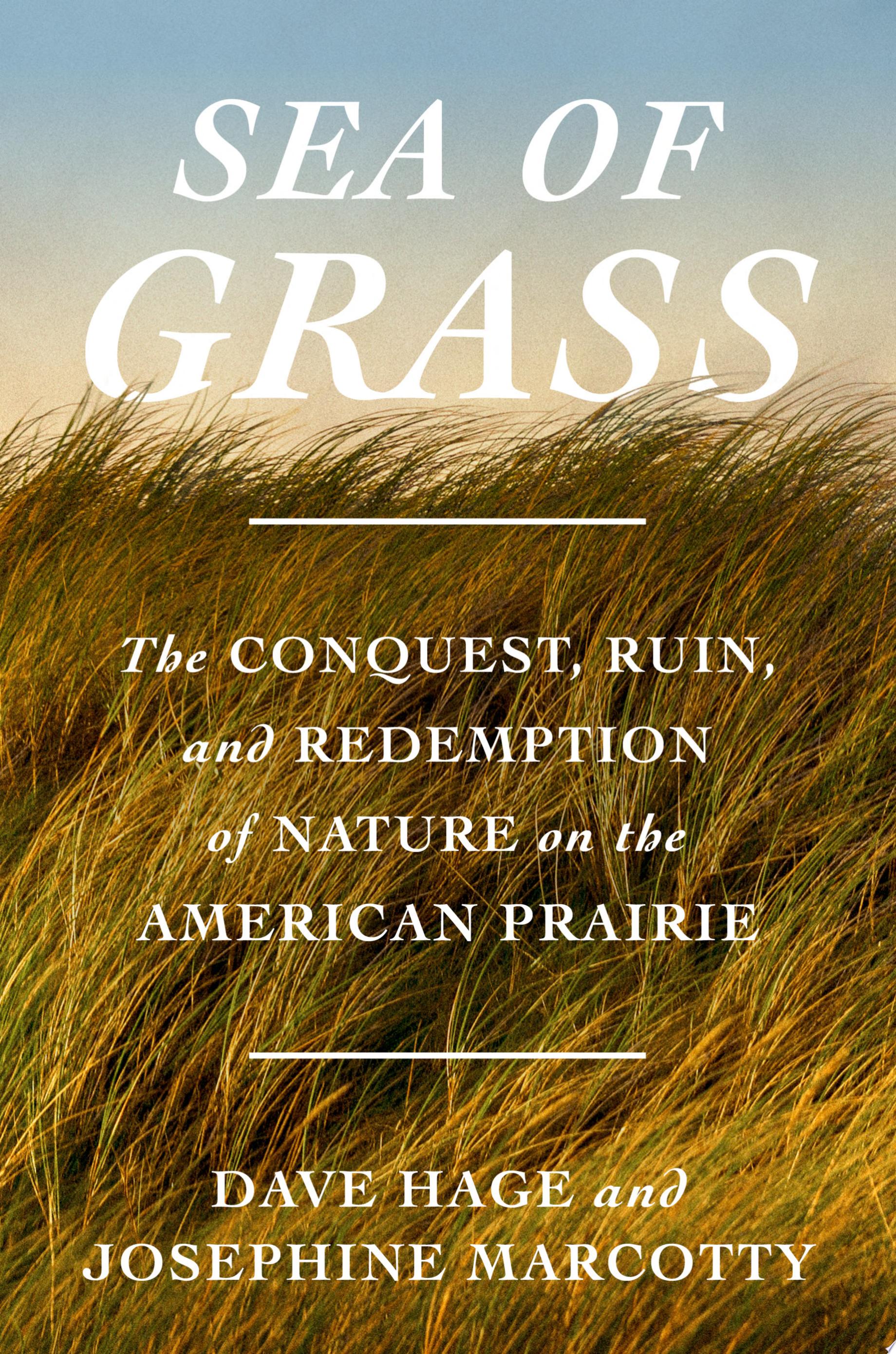
Sea of Grass

Dave Hage

A vivid portrait of the American prairie, which rivals the rainforest in its biological diversity and, with little notice, is disappearing even faster

“This book describes—in loving, living prose—one of the world’s greatest and most important landscapes. And it does so while there’s still time to save some serious part of it.”—Bill McKibben, author of The End of Nature

The North American prairie is an ecological marvel, a lush carpet of grass that stretches to the horizon, and home to some of the nation’s most iconic creatures—bison, elk, wolves, pronghorn, prairie dogs, and bald eagles. Plants, microbes, and animals together made the grasslands one of the richest ecosystems on Earth and a massive carbon sink, but the constant expansion of agriculture threatens what remains.

When European settlers encountered the prairie nearly two hundred years ago, rather than a natural wonder they saw an alien and forbidding place. But with the steel plow, artificial drainage, and fertilizers, they converted the prairie into some of the world’s most productive farmland—a transformation unprecedented in human history. American farmers fed the industrial revolution and made North America a global breadbasket, but at a terrible cost: the forced dislocation of Indigenous peoples, pollution of great rivers, and catastrophic loss of wildlife. Today, industrial agriculture continues its assault on the prairie, plowing up one million acres of grassland a year. Farmers can protect this extraordinary landscape, but trying new ideas can mean ruin in a business with razor-thin margins, and will require help from Washington, D.C., and from consumers.

Veteran journalists and midwesterners Dave Hage and Josephine Marcotty reveal humanity’s relationship with this incredible land, offering a deep, compassionate analysis of the difficult decisions as well as opportunities facing agricultural and Indigenous communities. Sea of Grass is a vivid portrait of a miraculous ecosystem that makes clear why the future of this region is of essential concern far beyond the heartland.

View Details >>

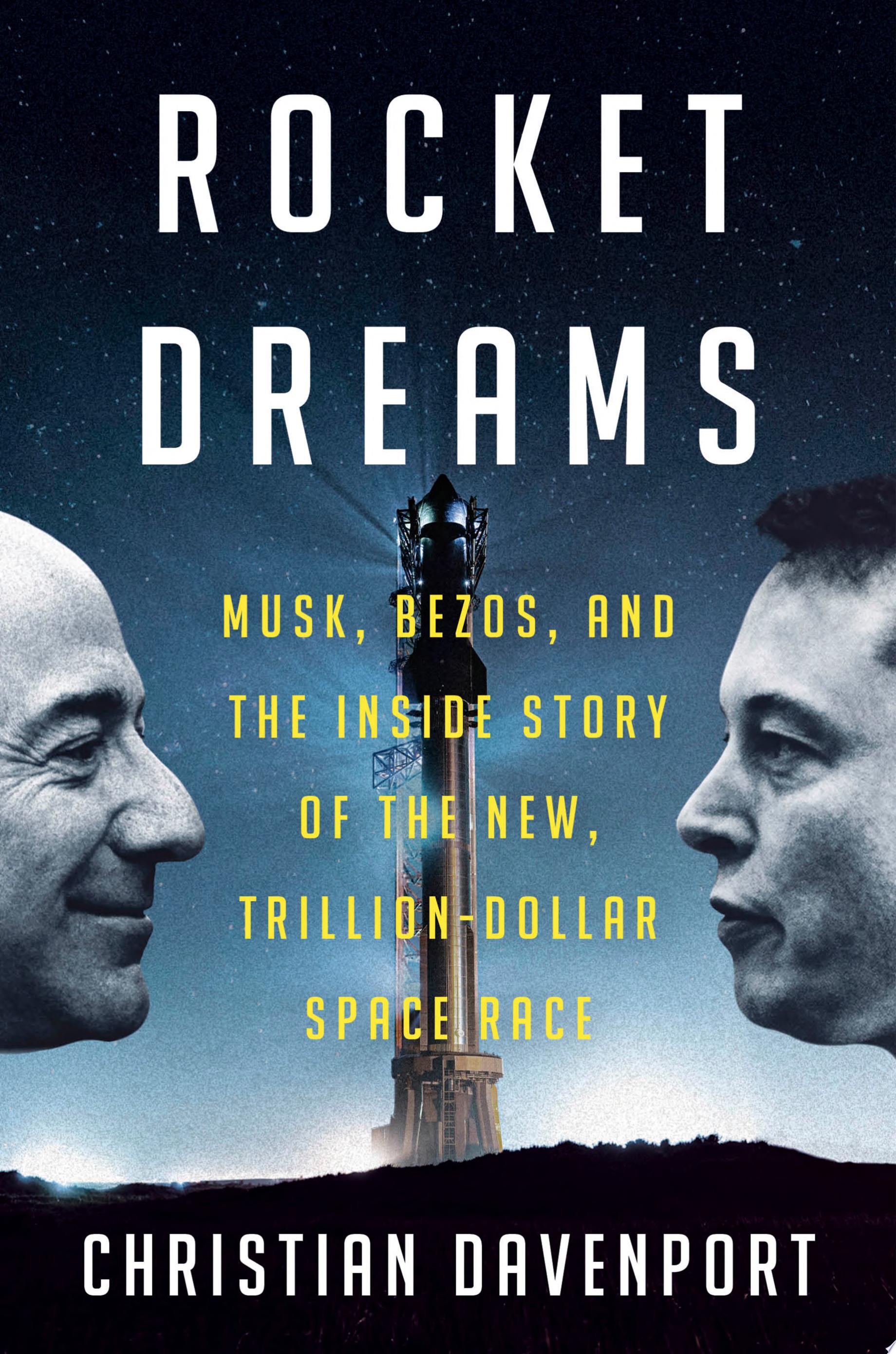
Rocket Dreams

Christian Davenport

“Thrilling . . . an important tale of how American ingenuity and entrepreneurial spirit is creating a new type of space age.”—Walter Isaacson, New York Times bestselling author of Elon Musk

Musk vs. Bezos. China vs. the United States. The government vs. the private sector.

Welcome to the rivalries and alliances defining the New Space Age. At stake? Trillions of dollars, national prestige, and a place in the history books.

“A fine piece of reporting; historians will be able to use this first draft of rocket history to craft deeper analyses of our first real steps as a space-faring society.”—The New York Times

Moon landings and space walks once captivated the public’s attention. But, in recent decades, the U.S. space enterprise has felt moribund. Now, that’s finally about to change.

A fleet of powerful new rockets is poised to take humans into the cosmos more than ever before. A lunar land rush has sparked a geopolitical competition among nations. And the world’s two richest men have engaged in escalating brinkmanship, as NASA and the U.S. government embraces Silicon Valley innovation to jump-start the nation’s ambitions.

Space has entered a golden age, and this is just the beginning. In this gripping work, award-winning Washington Post writer Christian Davenport chronicles the mad scramble to shape humanity’s off-planet future. He takes readers behind the scenes at NASA and the Pentagon as China’s aggressive moon mining plans raise alarms, onto the sprawling Cape Canaveral factory where Blue Origin is working toward Amazon-style lunar deliveries, and onto SpaceX launch pads as Musk’s engineers log 100-hour weeks—leaving veteran astronauts marveling that they’re now operating “flying iPhones.” 

What will happen as human ambition outpaces governmental regulation? Which country will win the race back to the moon? Was Donald Trump’s much-derided creation of the Space Force a surprising act of foresight, and will the U.S. finally make a real push to the moon and eventually toward Mars?

Masterfully paced, rigorously reported, and vividly told, Rocket Dreams offers a riveting, fly-on-the-wall account of the grit-fueled global battle to push humankind further into the cosmos—revealing that the science fiction dreams of the last century may soon become our reality.

View Details >>

Proof

Adam Kucharski

An award-winning mathematician--he "made me smile and made me feel clever" (Peter Frankopan)--shows how we prove what's true, and what to do when we can't 


How do we establish what we believe? And how can we be certain that what we believe is true? And how do we convince other people that it is true? For thousands of years, from the ancient Greeks to the Arabic golden age to the modern world, science has used different methods--logical, empirical, intuitive, and more--to separate fact from fiction. But it all had the same goal: find perfect evidence and be rewarded with universal truth. 


As mathematician Adam Kucharski shows, however, there is far more to proof than axioms, theories, and laws: when demonstrating that a new medical treatment works, persuading a jury of someone's guilt, or deciding whether you trust a self-driving car, the weighing up of evidence is far from simple. To discover proof, we must reach into a thicket of errors and biases and embrace uncertainty--and never more so than when existing methods fail. 


Spanning mathematics, science, politics, philosophy, and economics, this book offers the ultimate exploration of how we can find our way to proof--and, just as importantly, of how to go forward when supposed facts falter.

View Details >>

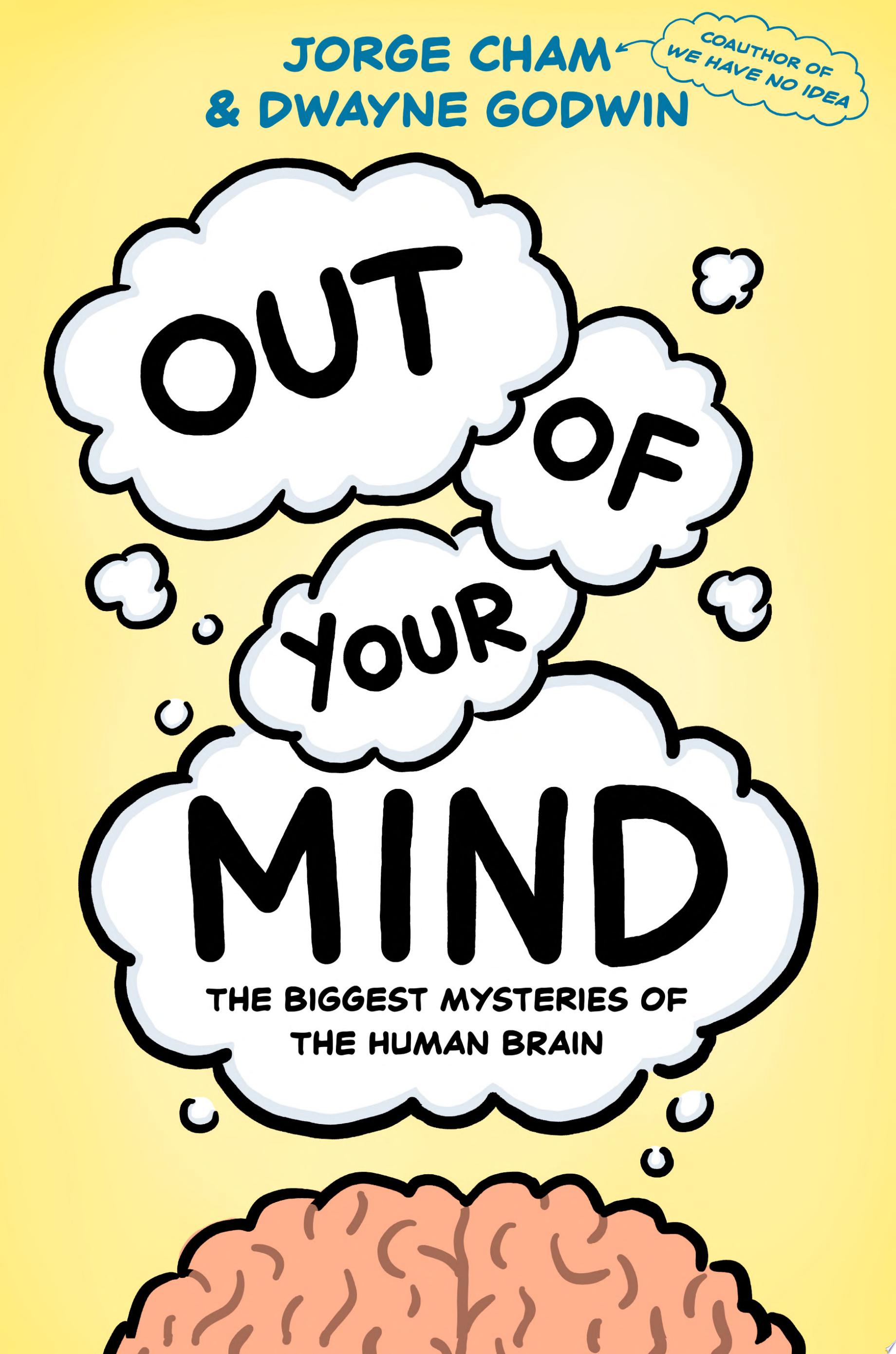
Out of Your Mind

Jorge Cham

From the creative brain behind WE HAVE NO IDEA, an introductory journey into your own mind—if your inner voice had a PhD in neuroscience, cracked jokes, and drew cartoons

Why do you love? Why do you hate? What makes you happy? Every single thought you have comes from one place: your brain. But what makes it tick? How much of it have we decoded, and how much of it remains an impenetrable mystery? 

Join bestselling author and online cartoonist Jorge Cham and neuroscientist Dwayne Godwin on a deep dive into the fascinating world of the human brain, in which they will explore questions such as: What is consciousness? Do we have free will? And what happens when we die? All while illuminating everything we know (and don't know) about one of the most complex objects in the known universe. Think of it as conversation ammunition for your next cocktail party, or a quick, fascinating read while you’re in the bathroom (don’t worry, the chapters aren’t that long). Centered on questions we all ask ourselves at some point but don’t usually have answers to, Out of Your Mind is an illustrated book about the brain that isn’t too "brainy." Playful, accessible, and deeply insightful, it’s the one brain book that’s truly suitable for all brains.

View Details >>

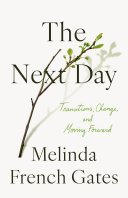
The Next Day

Melinda French Gates

INSTANT NEW YORK TIMES BESTSELLER 

In a rare window into some of her life’s pivotal moments, Melinda French Gates draws from previously untold stories to offer a new perspective on encountering transitions.

"[D]eeply personal... [Melinda French Gates] takes readers inside the moments that have defined her — becoming a mother, grieving the loss of one of her best friends, and grappling with the hard-earned lessons of philanthropy." —NPR

“You don’t get to be my age without navigating all kinds of transitions. Some you embraced and some you never expected. Some you hoped for and some you fought as hard as you could.” 
– Melinda French Gates

Transitions are moments in which we step out of our familiar surroundings and into a new landscape—a space that, for many people, is shadowed by confusion, fear, and indecision. The Next Day accompanies readers as they cross that space, offering guidance on how to make the most of the time between an ending and a new beginning and how to move forward into the next day when the ground beneath you is shifting. 

In this book, Melinda will reflect, for the first time in print, on some of the most significant transitions in her own life, including becoming a parent, the death of a dear friend, and her departure from the Gates Foundation. The stories she tells illuminate universal lessons about loosening the bonds of perfectionism, helping friends navigate times of crisis, embracing uncertainty, and more.

Each one of us, no matter who we are or where we are in life, is headed toward transitions of our own. With her signature warmth and grace, Melinda candidly shares stories of times when she was in need of wisdom and shines a path through the open space stretching out before us all.

View Details >>

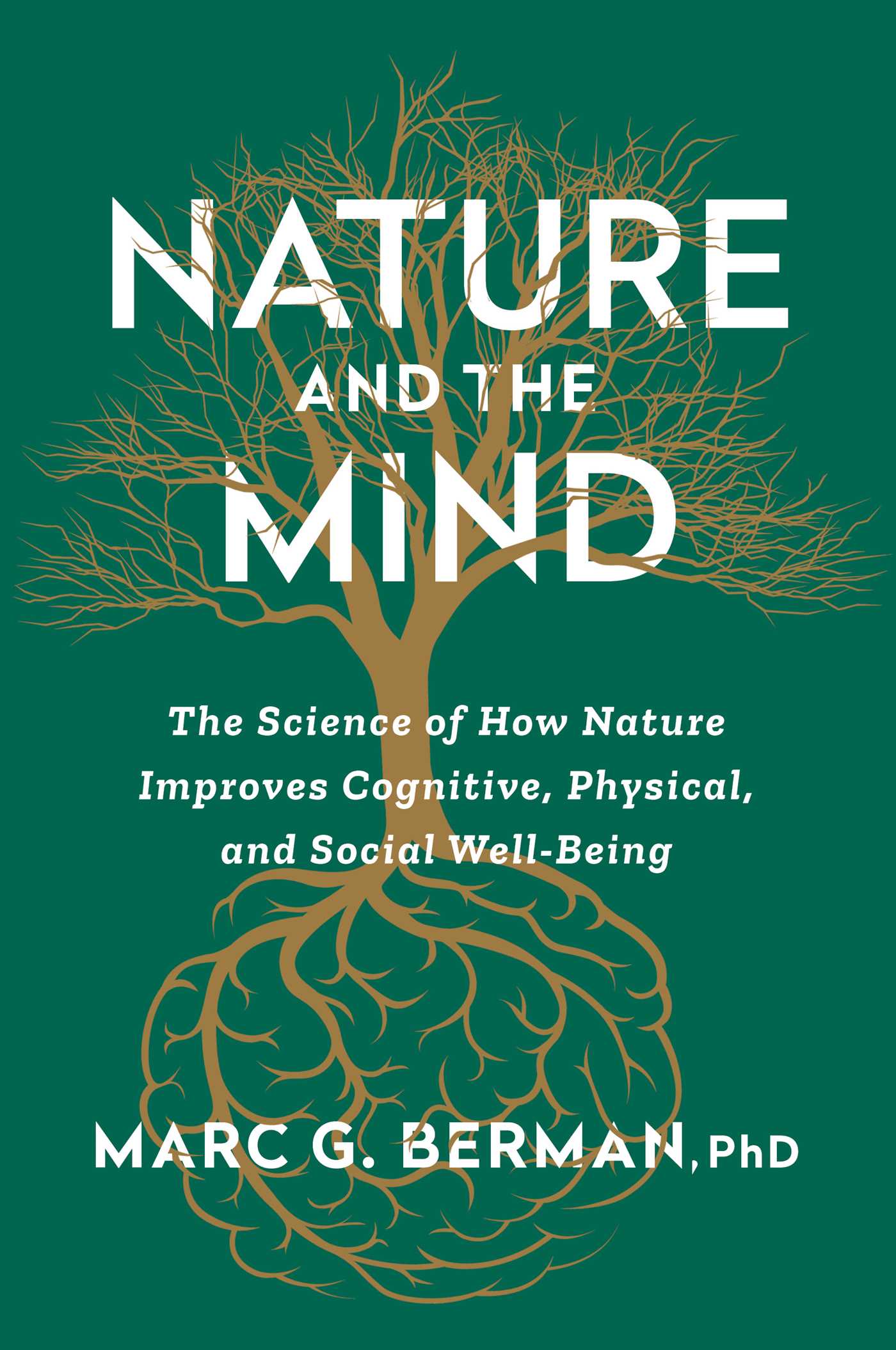
Nature and the Mind

Marc Berman

From the acclaimed founder of environmental neuroscience, Dr. Marc Berman, comes a groundbreaking guide that reveals how interacting with nature can be the secret to improved mental and physical health.

Dr. Marc Berman, the pioneering creator of the field of environmental neuroscience, has discovered the surprising connection between mind, body, and environment, with a special emphasis on the natural environment. He has devoted his life to studying it. If you sometimes feel drained, distracted, or depressed, Dr. Berman has identified the elements of a “nature prescription” that can boost your energy, sharpen your focus, change your mood, and improve your mental and physical health. He also reveals how central attention is to all of these functions, and how interactions with nature can restore it. Nature and the Mind is both an introduction to a revolutionary new scientific field and a helpful guide to better living.

In these pages, he draws on his original research and research from others and shares life-altering findings such as:
-Just eleven more trees on your street can decrease cardio-metabolic disorders like stroke, diabetes, and heart disease.
-A short walk in nature can improve attention by almost twenty percent, decrease depression symptoms, and make people feel more spiritual and self-reflective.
-More greenspace around schools and homes is related to better school performance, reduced crime, and improved working memory.
-Many of these effects can be achieved even if you don’t like nature.

With an engaging and approachable style, Dr. Berman offers the nature prescription for physical health, mental health, and social health. Importantly, you don’t have to pack up your house and move to the country to participate. The nature prescription includes practical ways to bring the outside indoors and to “naturize” our spaces, no matter where you live. The positive effects of nature don’t just end at the individual; contact with nature can make people more caring towards one another, promote economic and racial justice, encourage people to care more for the environment, and more.

This groundbreaking guide explains why and how nature is good for our brains and bodies and gives us a window into fundamental aspects of our psychology and physiology that can be improved through interactions with nature.

View Details >>

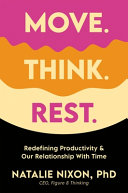
Move. Think. Rest

Natalie Nixon

Natalie Nixon-known as "the creativity whisperer to the C-Suite" and a top creativity and future of work keynote speaker, advisor, and strategist-teaches how to harness the power of everyday activities like daydreaming and casual conversations to stress less and produce more at work.

Natalie Nixon helps corporate leaders achieve transformative business results by applying wonder and rigor to their work. In MOVE, THINK, REST, she reveals how the best organizations allow the personal and the professional to converge at strategic moments, which often come when we step away from our desks and phones. According to Nixon, it is this MTR framework-which allows for simple activities like going for a walk, daydreaming, engaging in more casual yet meaningful conversations, pondering questions about a challenge post-meeting-that is the best way to collectively revise, re-organize and re-energize our daily lives.

Nixon's MTR framework (Movement, Thought, and Rest) will change the way you work. And it will do so without demanding that you overhaul your personality, adhere to a rigid protocol, or life-hack the liveliness out of your working hours. When you allow yourself to pause, unabashedly pay attention to your emotions and allow your intuition to guide you, then you achieve fluency, ease, and even greater productivity. MOVE, THINK, REST brings a unique perspective as a thought leader who's optimized her background in anthropology, fashion, design thinking, academia & dance.

View Details >>

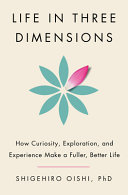
Life in Three Dimensions

Shigehiro Oishi

A NEXT BIG IDEA CLUB MUST-READ BOOK * From one of our foremost psychologists, a trailblazing book that turns the idea of a good life on its head and urges us to embrace the transformative power of variety and experience * The guidebook to the pyshologically rich life

"Dr. Oishi's enthusiasm for a big and bold existence is infectious" --The Wall Street Journal

"Life in Three Dimensions will give you new insights into the many ways to live well, including advice on how to pick the one most likely to be right for you." --Jonathan Haidt, author of The Anxious Generation


Shigehiro Oishi's father has lived his entire life in a small mountain town in Japan. But as a young man Oishi felt compelled to follow a winding road that led him far from home. He became an award-winning psychology professor, seeking to know which path--to stay or to go, the familiar or the unknown, his father's path or his own--is the better path to a good life. In Life in Three Dimensions, Oishi shares his journey of discovery and offers readers a groundbreaking new understanding of happiness.

What makes for a good life, he asks? Is it the simple, predictable pleasures we call happiness? Or can happiness lead to complacency and regret? Is the answer a deep sense of meaning and purpose? Or can a life of purpose invite narrow or misplaced loyalties? Both happiness and meaning as paths to a good life have decades of scientific research to support them. But in recent years, Oishi has uncovered a third dimension to a good life, psychological richness. A psychologically rich life prioritizes curiosity, exploration, and a variety of experiences. These can be as simple as taking a walk, as complex as moving to a new country. Key to a psychologically rich experience is a shift in perspective that helps us grow.

Life in Three Dimensions explores lives defined by psychological richness: those of prominent people like Steve Jobs, Oliver Sacks and Alison Gopnik; characters from literature and film; and ordinary people who--in college, at midlife, and beyond--embraced uncertainty and challenge to deepen and enrich their lives. In this wise and delightful book, Oishi shows how anyone at any age can build a fuller, more authentic life.

View Details >>

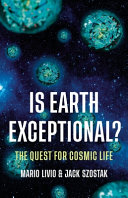
Is Earth Exceptional?

Mario Livio

A New York Times-bestselling astrophysicist and a Nobel laureate take us on "a mesmerizing exploration" (Jennifer Doudna) to discover how and where the universe breathed itself into life 


For a long time, scientists have wondered how life has emerged from inanimate chemistry, and whether Earth is the only place where it exists. Charles Darwin speculated about life on Earth beginning in a warm little pond. Some of his contemporaries believed that life existed on Mars. It once seemed inevitable that the truth would be known by now. 


It is not. For more than a century, the origins and extent of life have remained shrouded in mystery. But, as Mario Livio and Jack Szostak reveal in Is Earth Exceptional?, the veil is finally lifting. The authors describe how life's building blocks--from RNA to amino acids and cells--could have emerged from the chaos of Earth's early existence. They then apply the knowledge gathered from cutting-edge research across the sciences to the search for life in the cosmos: both life as we know it and life as we don't. 


Why and where life exists are two of the biggest unsolved problems in science. Is Earth Exceptional? is the ultimate exploration of the question of whether life is a freak accident or a chemical imperative.

View Details >>

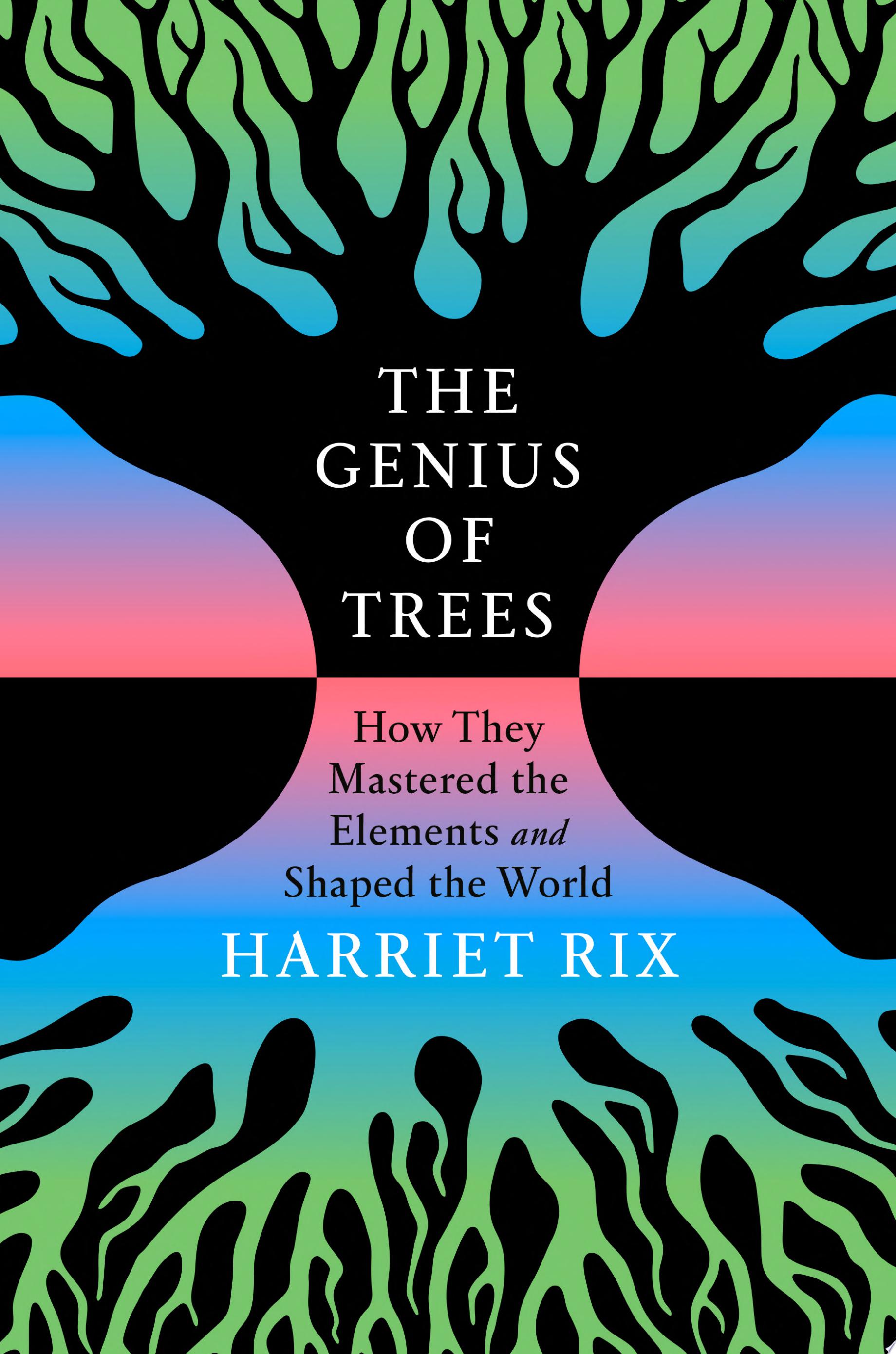
The Genius of Trees

Harriet Rix

A mind-expanding exploration of how trees learned to shape our world by manipulating the elements, plants, animals, and even humankind, possessing agency beyond anything we might have imagined

“Astounding . . . a true masterpiece . . . Rix refuses to put herself much in the picture, but through the scenes we glimpse an Indiana Jones figure who is both an eminent, travelling scientist and a born writer.”—The Telegraph

For a supposedly stationary life-form, trees have demonstrated an astonishing mastery over the environment around them. In The Genius of Trees, tree scientist Harriet Rix reveals the inventive ways trees sculpt their environment and explains the science of how they achieve these incredible feats. Taking us on an awe-inspiring journey through deep history and unseen biochemistry across the globe, Rix restores trees to their rightful station, not as victims of our negligence but as ingenious, stunningly inventive agents in a grand ecological narrative. Trees manipulate fundamental elements, plants, animals, bacteria, fungi, and even humankind to achieve their ends, as seen with oaks in Devon, England, shaping ecosystems through root networks and fungi, and in Amedi, Iraq, changing sexes as they age; laurel rainforests in the Canary Islands regulating water cycles; and metasequoias in California influencing microclimates.

Some tree species have gone to extraordinary lengths to make sure their fruits reach large primates, who can spread their seeds over vast distances, while poisoning smaller and less useful mammals. Others can split solid rock and create fertile ground in barren landscapes, effectively building entire ecosystems from scratch. And new discoveries are constantly coming to light: research has shown that trees have an even greater role in preventing global warming than we thought--trees, at one time thought to produce methane actually consume it. We share one world with trees and one need for survival.

This eye-opening journey into the inner lives of nature’s most powerful plant is a profoundly new and original way of understanding both the miracles trees perform and the glories of our natural world.

View Details >>

Facing Infinity

Jonas Enander

Humanity's relationship with black holes began in 1783 in a small English village, when clergyman John Michell posed a startling question: What if there are objects in space that are so large and heavy that not even light can escape them? Almost 250 years later, in April 2019, scientists presented the first picture of a black hole. Profoundly inspired by that image, physicist Jonas Enander has traveled the world to investigate how our understanding of these elusive celestial objects has evolved since the days of Michell.

With the particular goal of discovering our human connection to black holes, Enander visits telescopes and observatories, delves deeply into archives, and interviews over 20 world-leading experts, including several Nobel laureates. With Facing Infinity, he takes us on a spellbinding journey into the universe's greatest mystery, deciphers the most mind-bending science, and answers questions surrounding how black holes work, where they come from, and what role they play in the universe.

Along the way Enander discovers how our desire to understand black holes inadvertently paved the way for the invention of Wi-Fi and the calibration of our global navigation satellites, how astronomical discovery became entangled with colonial conflicts, and how our looking outward gave us critical evidence of the impact of climate change. Facing Infinity helps us appreciate and understand as never before these mysterious celestial objects and our surprising connections to them.

View Details >>

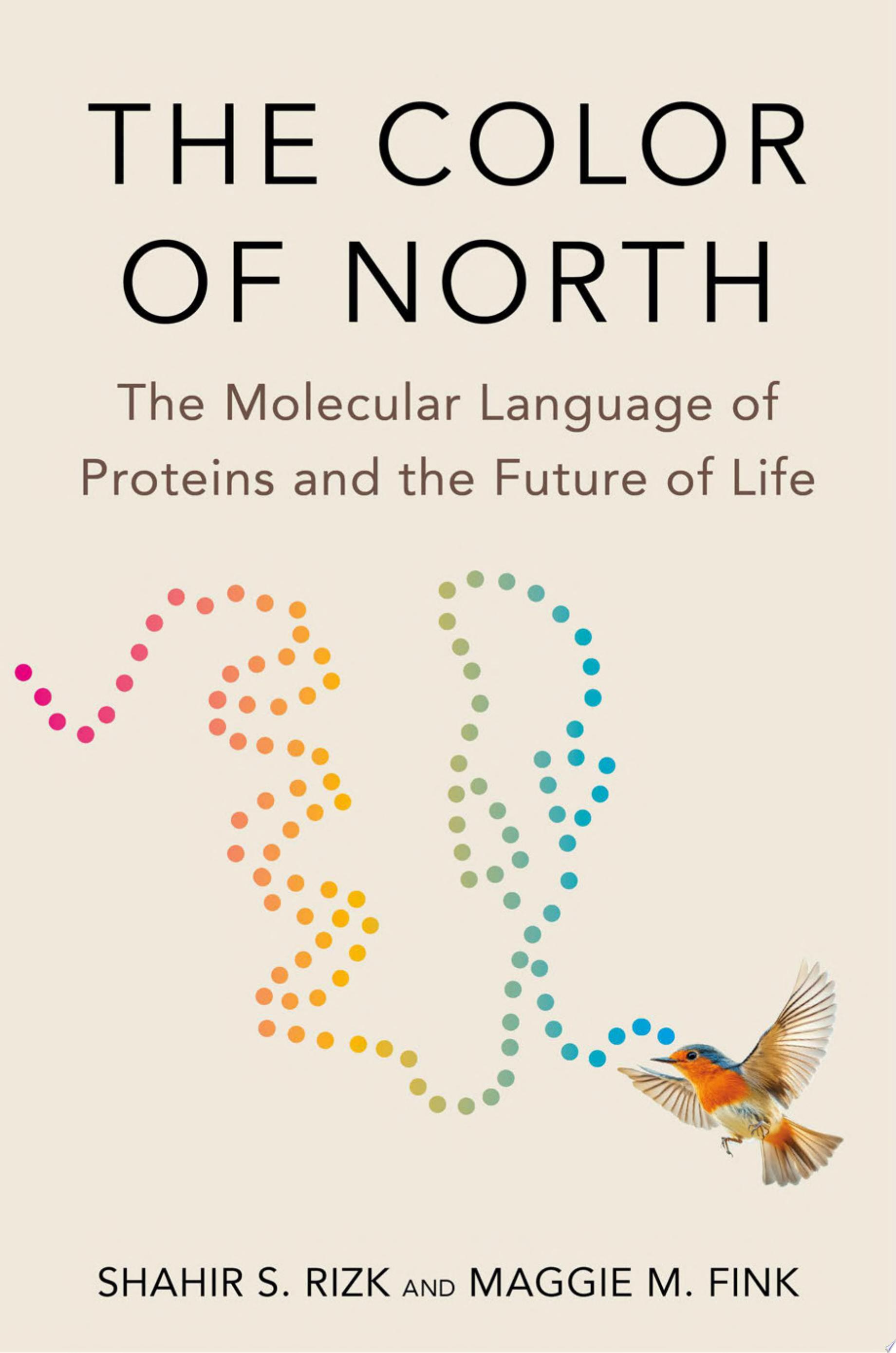
The Color of North

Shahir S. Rizk

An awe-inspiring journey into the world of proteins—how they shape life, and their remarkable potential to heal our bodies and our planet.

Each fall, a robin begins the long trek north from Gibraltar to her summer home in Central Europe. Nestled deep in her optic nerve, a tiny protein turns a lone electron into a compass, allowing her to see north in colors we can only dream of perceiving.

Taking us beyond the confines of our own experiences, The Color of North traverses the kingdom of life to uncover the myriad ways that proteins shape us and all organisms on the planet. Inside every cell, a tight-knit community of millions of proteins skillfully contorts into unique shapes to give fireflies their ghostly glow, enable the octopus to see predators with its skin, and make humans fall in love. Collectively, proteins orchestrate the intricate relationships within ecosystems and forge the trajectory of life. And yet, nature has exploited just a fraction of their immense potential. Shahir S. Rizk and Maggie M. Fink show how breathtaking advances in protein engineering are expanding on nature’s repertoire, introducing proteins that can detect environmental pollutants, capture carbon dioxide from the atmosphere, and treat diseases from cancer to COVID-19.

Weaving together themes of memory, migration, and family with cutting-edge research, The Color of North unveils a molecular world in which proteins are the pulsing heart of life. Ultimately, we gain a new appreciation for our intimate connections to the world around us and a deeper understanding of ourselves.

View Details >>

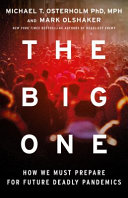
The Big One

Michael T. Osterholm

An urgent, gripping, and prescient warning about the inevitable next worldwide pandemic-and what we must do to prepare ourselves-from the New York Times bestselling authors of Deadliest Enemy.

The Covid-19 pandemic has been the most devastating natural event the world has experienced in the last century. Millions have been stricken, many with lasting debilitating effects; more than 7 million have died around the globe; millions more are out of work, scrambling for basic resources; companies and businesses across the country have failed; social and racial inequities have been brought to the surface and amplified; and the global economy has plummeted. And yet, as horrifying as the Covid-19 pandemic has been, we must realize that it is not actually "the Big One"-the pandemic prospect that haunts the nightmares of epidemiologists and public health officials everywhere, a catastrophe with the potential to alter life across the world on every meaningful level-unless we are properly prepared to deal with it.

In The Big One, founding director of the Center for Infectious Disease Research and Policy Dr. Michael T. Osterholm and acclaimed author Mark Olshaker examine the lessons of past pandemics, show how the United States and other countries failed to apply those lessons and the emerging science in confronting Covid-19, and look to the future, projecting what the next pandemics might look like and the strategies to mitigate them.

The Big One is a comprehensive, compelling, and much-needed wake-up call and reality check from a disease detective who has been on the front lines of outbreak investigations, was one of the first to call Covid-19 a pandemic, and has been consistently correct and accurate about the impact of coronaviruses. The Big One strips away the myths, misinformation, and wishful thinking, such as our ability to prevent a deadly pandemic spread through the air. This book, instead, provides a prescription to survive such a cataclysm with our lives and social order intact. Fail to act, and the Big One could make the devastation of Covid-19 pale in comparison.

This is a book about virus versus humanity, hubris versus humility, lofty vision versus dreams that can turn into nightmares, and what we can do in an ideal world versus the reality of what we must do in the one we all live in.

View Details >>

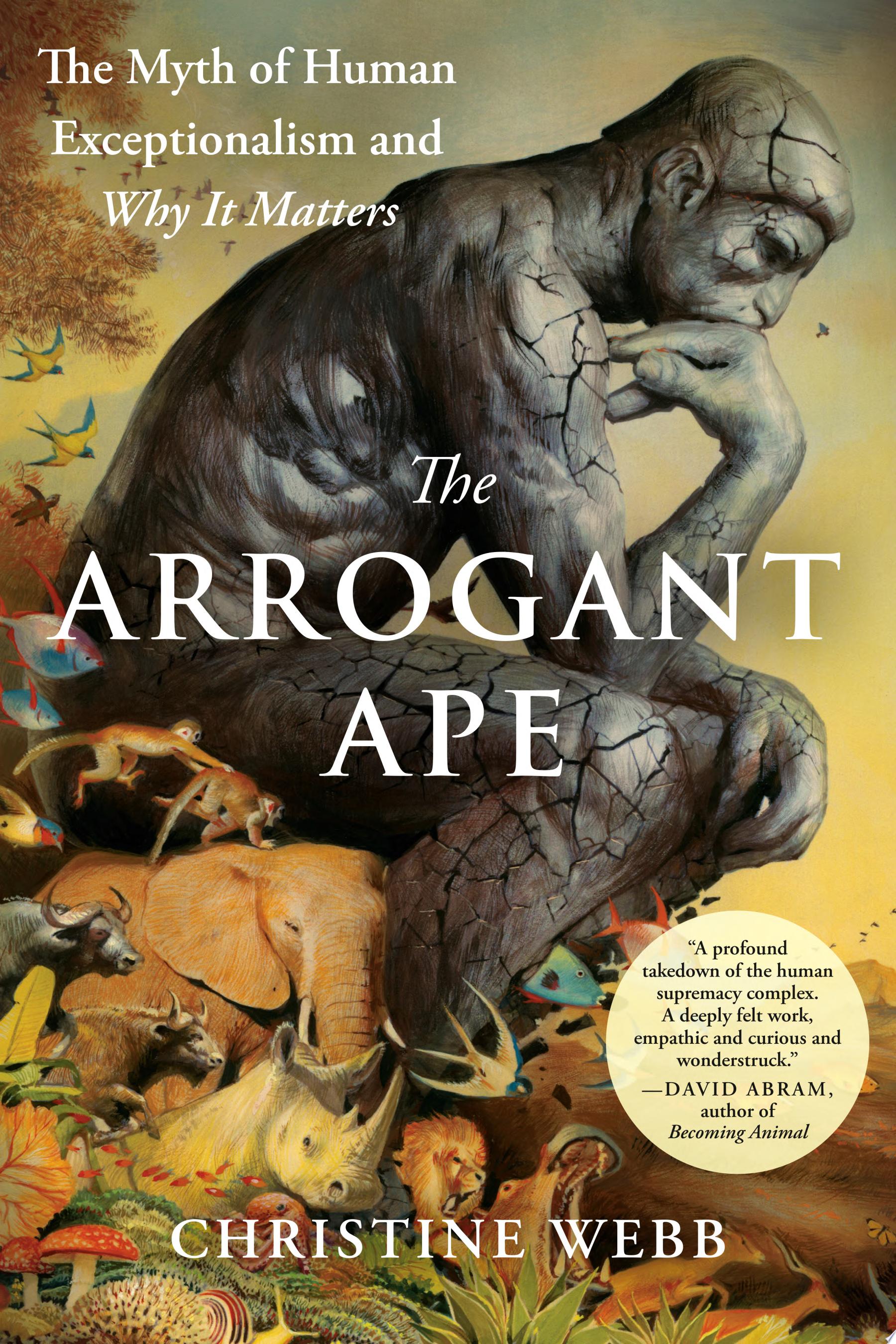
The Arrogant Ape

Christine Webb

An impassioned celebration of humility before the living world that leads us to a new understanding of other species—and ourselves

Darwin considered humans one part of the web of life, not the apex of a natural hierarchy. Yet today many maintain that we are the most intelligent, virtuous, successful species that ever lived. This flawed thinking enables us to exploit the earth towards our own exclusive ends, throwing us into a perilous planetary imbalance. But is this view and way of life inevitable? The Arrogant Ape shows that human exceptionalism is an ideology that relies more on human culture than our biology, more on delusion and faith than on evidence.

Harvard primatologist Christine Webb has spent years researching the rich social, emotional, and cognitive lives of our closest living relatives. She exposes the ways that many scientific studies are biased against other species and reveals underappreciated complexities of nonhuman life—from the language of songbirds and prairie dogs, to the cultures of chimpanzees and reef fishes, to the acumen of plants and fungi. With compelling stories and fresh research she gives us a paradigm-shifting way of looking at other organisms on their own terms, one that is revolutionizing our perception both of them and of ourselves.

Critiques of human exceptionalism tend to focus on our moral obligation towards other species. They overlook what humanity also stands to gain by dismantling its illusions of uniqueness and superiority. This shift in perspective fills us with a sense of awe and satisfies one of our oldest and deepest desires to belong to the larger whole we inhabit. What’s at stake is a better, sustainable way of life with the potential to heal and rejuvenate our shared planet.

View Details >>